- Departments
- Specialities
- Aesthetics
- Cardiology
- Dermatology
- Dietitian Services
- Endocrinology
- Family Medicine
- Gastroenterology
- General Surgery
- Geriatrics
- Haematology
- Infectious Diseases
- Internal Medicine
- Maxillofacial Surgery
- Nephrology
- Neurology
- Obstetrics and Gynaecology
- Oncology
- Ophthalmology
- Orthopaedics
- Otolaryngology (ENT)
- Paediatrics
- Plastic Surgery
- Pulmonology
- Radiology
- Rheumatology
- Urology
- Consultants
- About Us
- Call: 020 8358 7100
Search

Orthopaedics at Chase Lodge Hospital
At Chase Lodge Hospital, our Orthopaedics service provides rapid access to leading consultants specialising in bone, joint, muscle, and soft-tissue conditions.

Our approach
Whether you’re experiencing sudden pain, have a long-term condition, or need a specialist assessment following an injury, our team delivers exceptional care without long waiting lists.
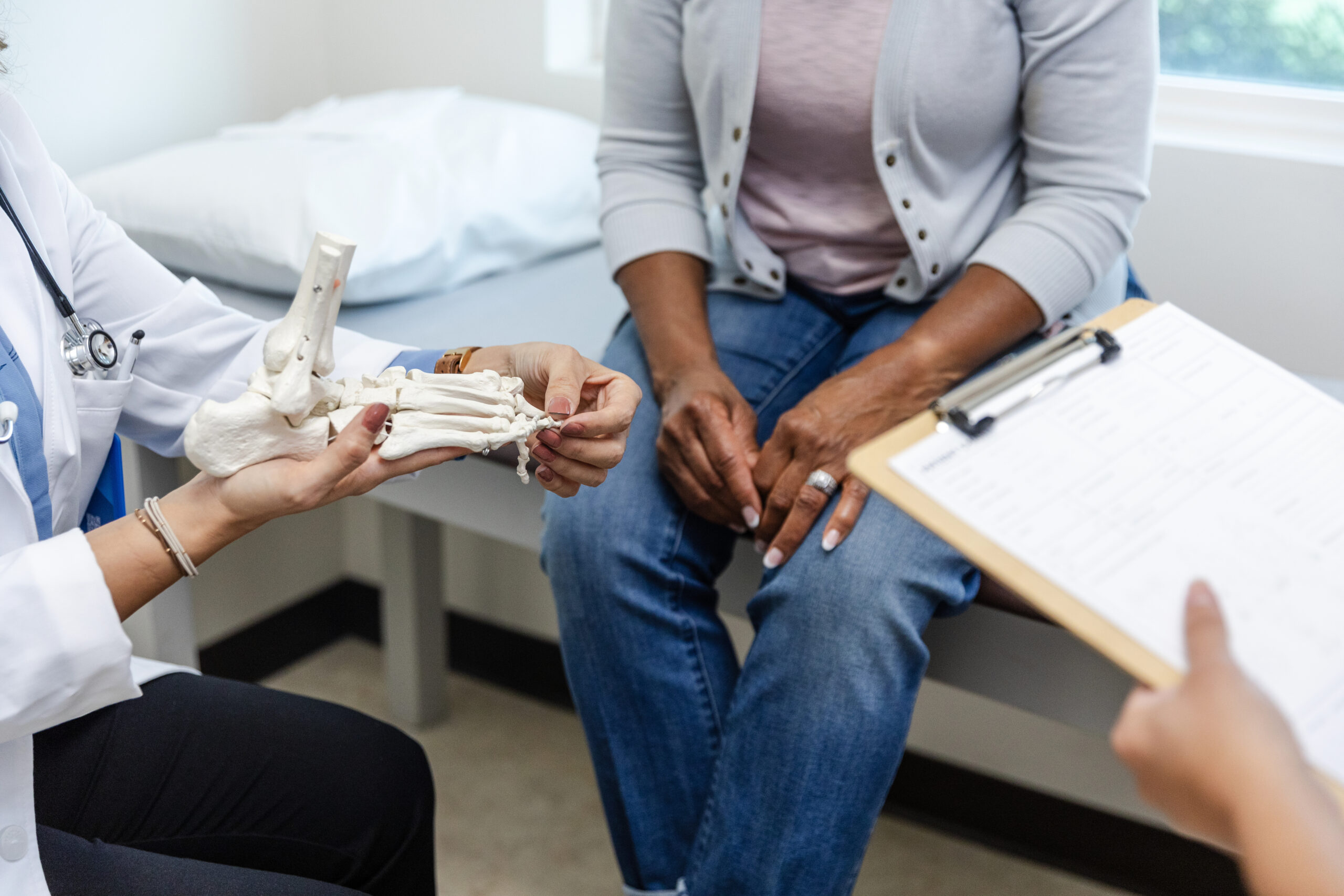
We offer both adult and paediatric orthopaedic services, with particular expertise in Hand & Wrist conditions. We start with a detailed discussion about your symptoms, movement difficulties and medical history. After that, we examine the affected area to assess strength, joint stability, alignment and range of motion. When required, we arrange imaging such as X-ray, ultrasound or MRI to support accurate diagnosis. We also offer surgical solutions onsite with our surgical team.
We help patients with conditions such as shoulder injuries, knee pain, hip arthritis, ankle and foot problems, tendon issues, carpal tunnel symptoms, back pain and joint swelling. We aim to reduce pain, improve movement and protect long-term joint health.
Treatment plans may include exercise guidance, physiotherapy referral, joint injections, splints or medication. Where surgical treatment is required, we explain the options clearly and assist with onward planning. Our aim is to support your recovery and help you return to daily activity with confidence.
Private Orthopaedics in London
What symptoms suggest I should see an orthopaedic specialist?
You may need an assessment if you have ongoing joint or muscle pain, swelling, stiffness, reduced movement, clicking or locking of a joint, numbness, weakness, or pain that affects daily tasks, sleep, or sports activity.
What conditions can the orthopaedic team assess and manage?
We support patients with arthritis, tendon and ligament injuries, shoulder and knee problems, hip and ankle pain, carpal tunnel symptoms, joint inflammation, sports injuries, and mobility-related concerns.
What happens during an orthopaedic consultation?
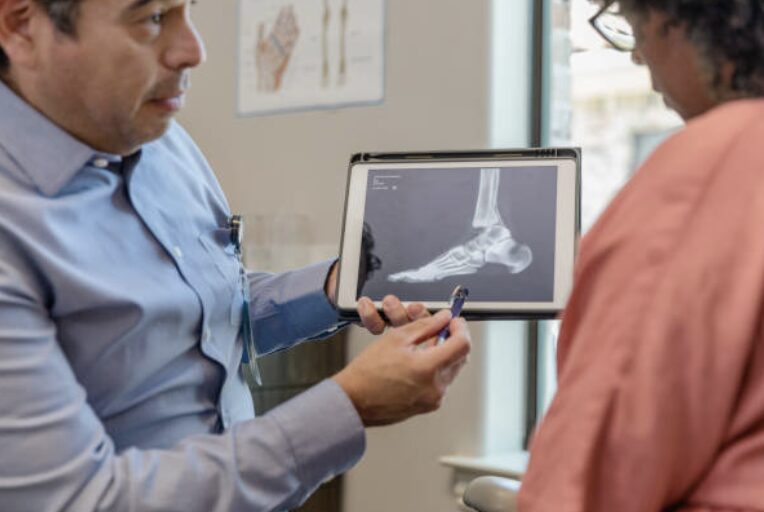
Your specialist will discuss your symptoms and activity level, then examine the affected area. When needed, we can arrange imaging such as X-ray, ultrasound, or MRI to confirm a diagnosis and plan suitable treatment.
What treatment options are available?
Plans may include exercise advice, physiotherapy referral, joint injections, splints, pain management and mobility guidance. When surgery is the most suitable option, we explain the next steps and arrange onward care where appropriate.
Private Orthopaedics in London


Top Rated for Orthopaedic Care, we offer:
Joint and Muscle Assessment
Detailed review of pain, movement and strength to identify the cause and suitable treatment options.

Sports Injury Management
Advice and treatment plans for sprains, tendon issues, ligament injuries and exercise-related pain.

Arthritis and Long-Term Condition Support
Guidance to help manage joint stiffness, swelling and reduced mobility, with ongoing monitoring if needed.
Injection Therapy and Pain Relief Options
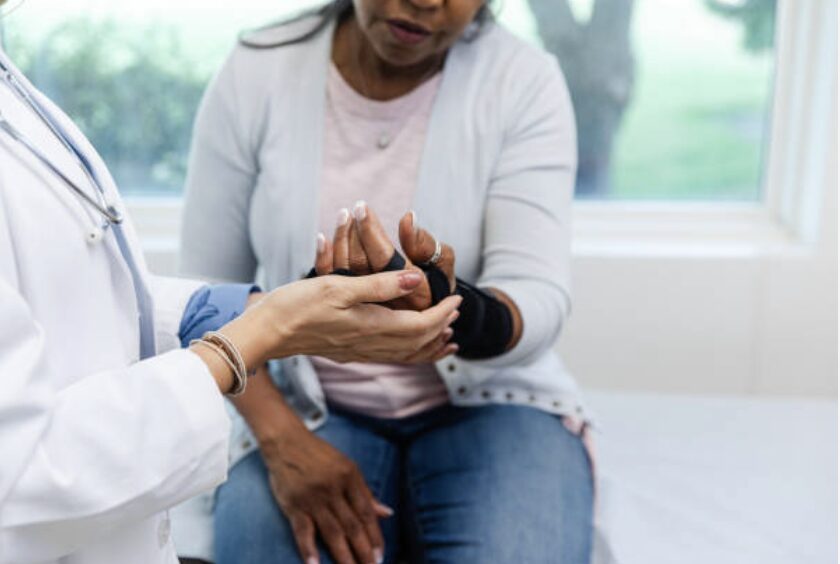
Targeted treatment such as joint injections, splints and pain management plans to improve comfort and function.
Our Consultants


Dr Angelos Assioti
Upper Limb Orthopaedic Surgeon

Dr Aroon Baskaradas
Consultant Hip & Knee Orthopaedic Surgeon
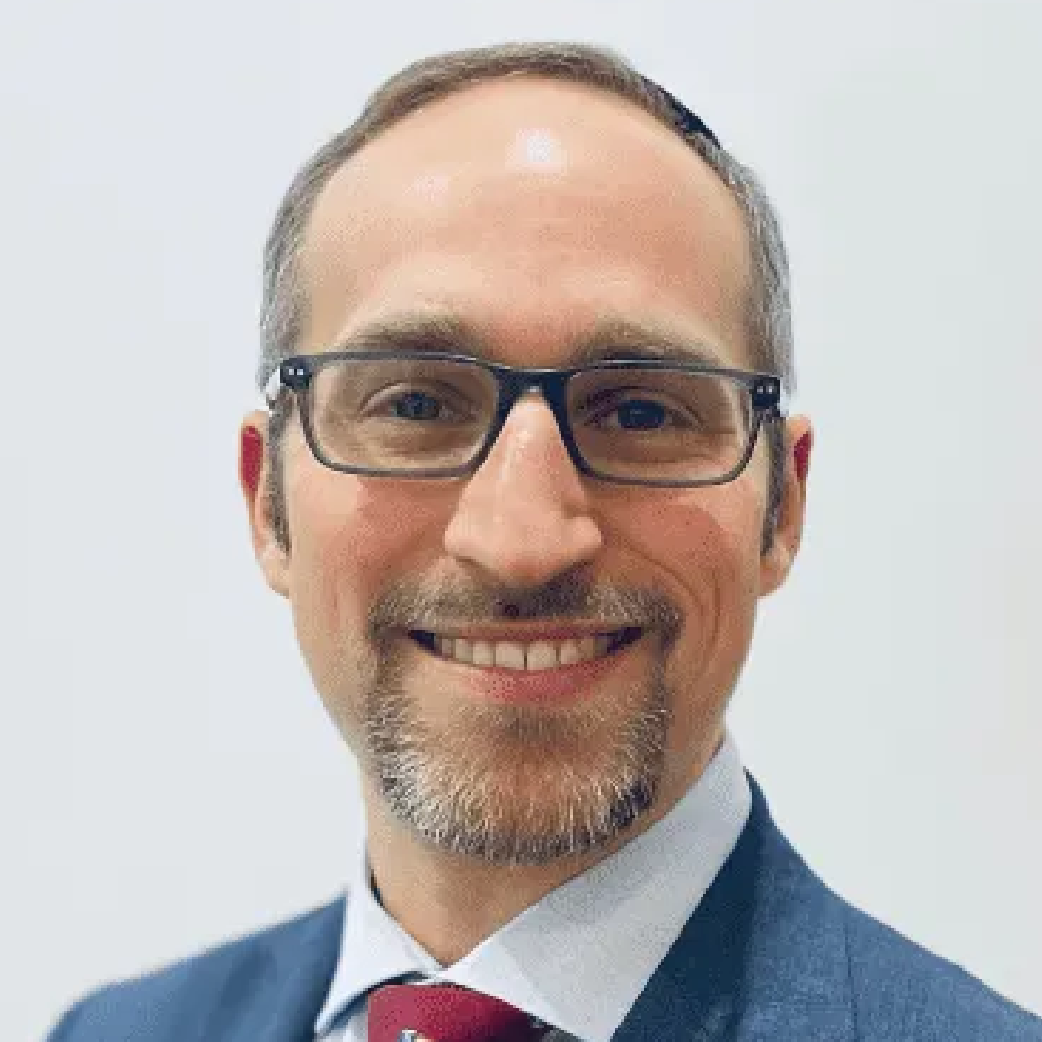
Dr Dan Shaerf
Consultant Orthopaedic Hand & Wrist Surgeon
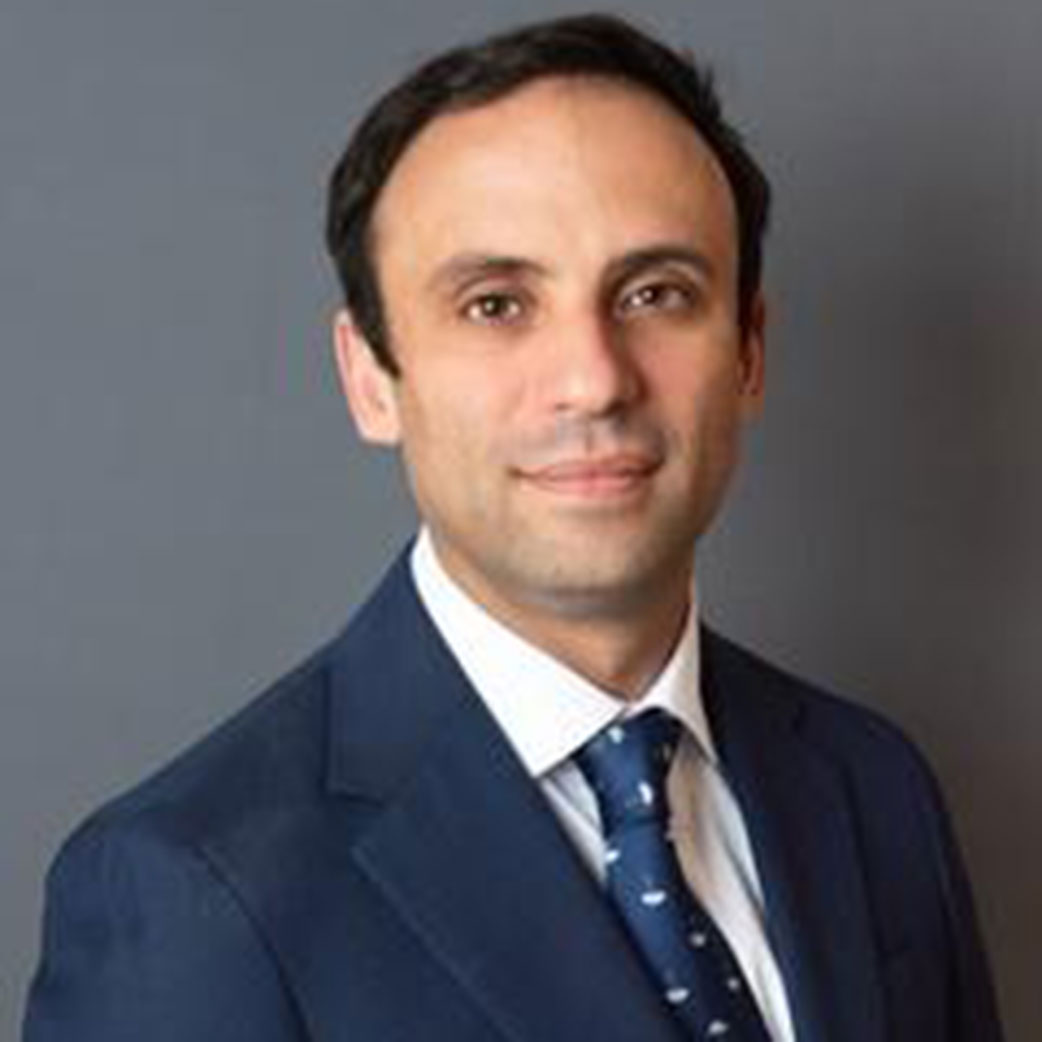
Dr David Bodansky
Consultant Trauma & Orthopaedic Surgeon (Hand, Wrist, Elbow & Shoulder)
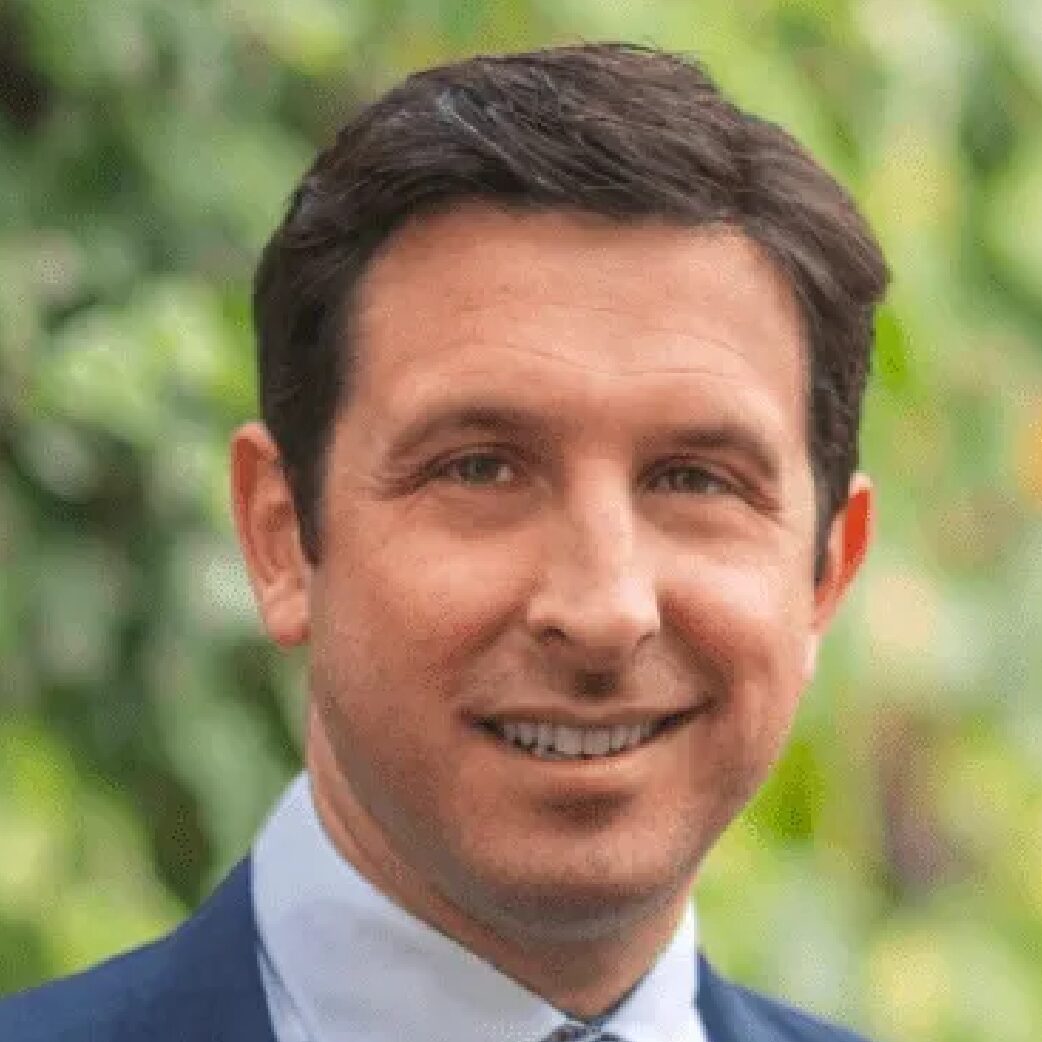
Dr Gavin Schaller
Consultant Orthopaedic Hand & Wrist Surgeon
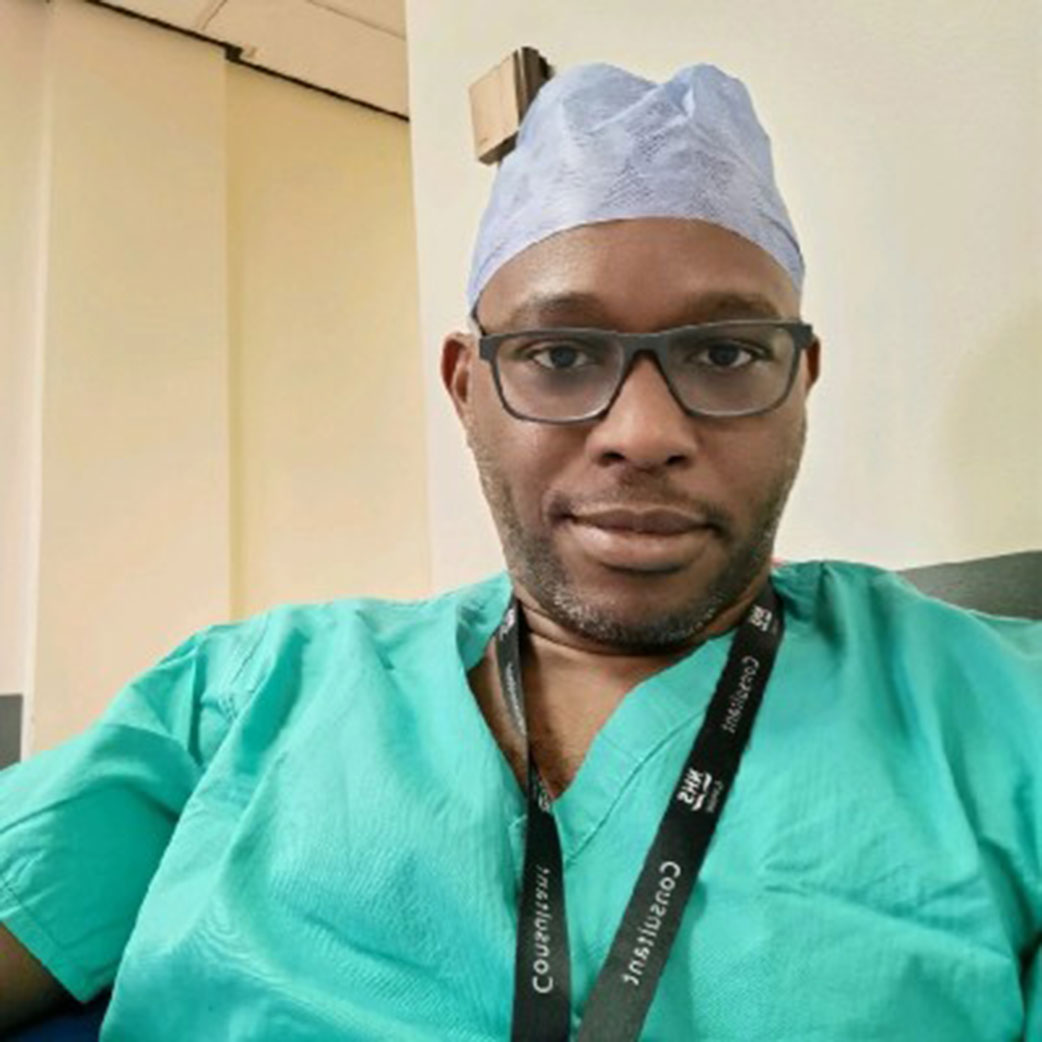
Mr Donald Osarumwense
Consultant Trauma & Orthopaedic Surgeon
Mr Raj Ragoowansi
Consultant Plastic, Hand & Wrist Surgeon

Mr Simon Mordecai
Orthopaedic Surgeon (Foot & Ankle Specialist)
FAQ’s
Can orthopaedic problems improve without surgery?
Yes, many conditions respond well to non-surgical treatment such as targeted exercises, physiotherapy, activity adjustment, pain management and joint injections. Surgery is considered only when other options are not suitable or helpful.
Do you assess both sudden injuries and long-term joint conditions?
We support patients with new injuries such as sprains or strains, as well as long-standing issues including arthritis, tendon problems and post-injury stiffness. Each case is reviewed individually to find the best way forward.
Which joints and body areas can you assess?
We can assess shoulders, elbows, wrists, hands, hips, knees, ankles, feet and the spine. We also review soft tissue concerns involving muscles, tendons and ligaments.
Do I need imaging before I attend my first appointment?
No, you can attend without prior scans. If your specialist feels that imaging will give helpful detail, they will arrange X-ray, ultrasound or MRI after the assessment.
How long does recovery usually take for common orthopaedic conditions?
Recovery time varies based on the diagnosis, age, activity level and treatment plan. Some conditions settle within weeks while others require longer monitoring. Your specialist will outline realistic timeframes for your case.
When is referral to a surgeon considered?
Referral is discussed when pain or movement problems continue despite treatment, when scans show structural damage or when daily life is affected to a significant level. Your options are always explained clearly before any decision is made.
FAQ’s

GET IN TOUCH
Join Us on the Journey to Health and Well-being
For more information about our services, our history, or to schedule an appointment, contact us directly. At Chase Lodge Hospital, your health is our highest priority, and we look forward to being a part of your journey to optimal well-being.