- Departments
- Specialities
- Aesthetics
- Cardiology
- Dermatology
- Dietitian Services
- Endocrinology
- Family Medicine
- Gastroenterology
- General Surgery
- Geriatrics
- Haematology
- Infectious Diseases
- Internal Medicine
- Maxillofacial Surgery
- Nephrology
- Neurology
- Obstetrics and Gynaecology
- Oncology
- Ophthalmology
- Orthopaedics
- Otolaryngology (ENT)
- Paediatrics
- Plastic Surgery
- Pulmonology
- Radiology
- Rheumatology
- Urology
- Consultants
- About Us
- Call: 020 8358 7100
Search
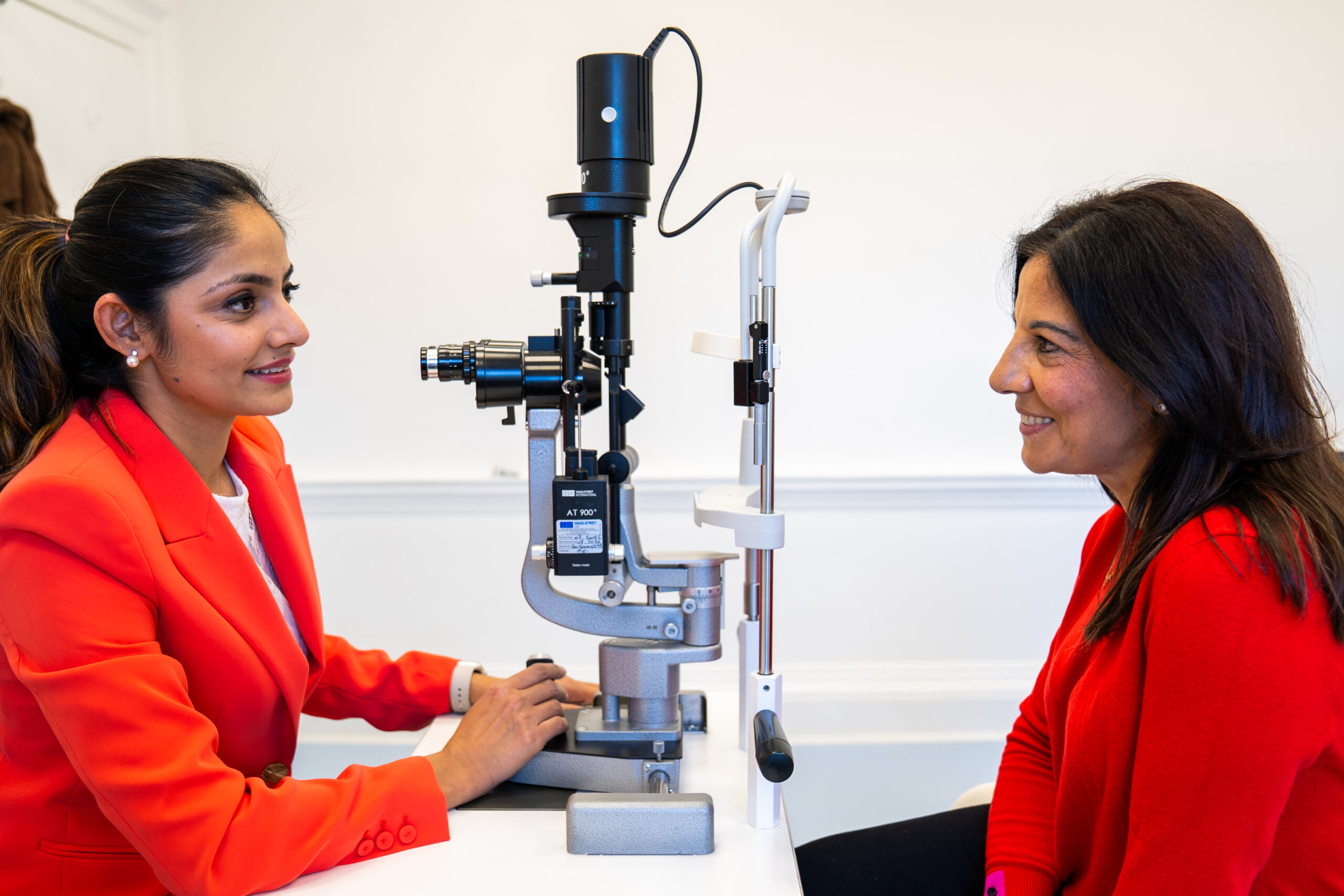
Ophthalmology at Chase Lodge Hospital
At Chase Lodge Hospital, you can see a Private Eye Specialist in London without delay. Our consultant-led service offers detailed eye examinations, clear guidance, and personalised care for a wide range of eye concerns. You can book an appointment if you have symptoms, a known condition, or if you want reassurance about your eye health.

Our approach
Our approach to eye and vision care
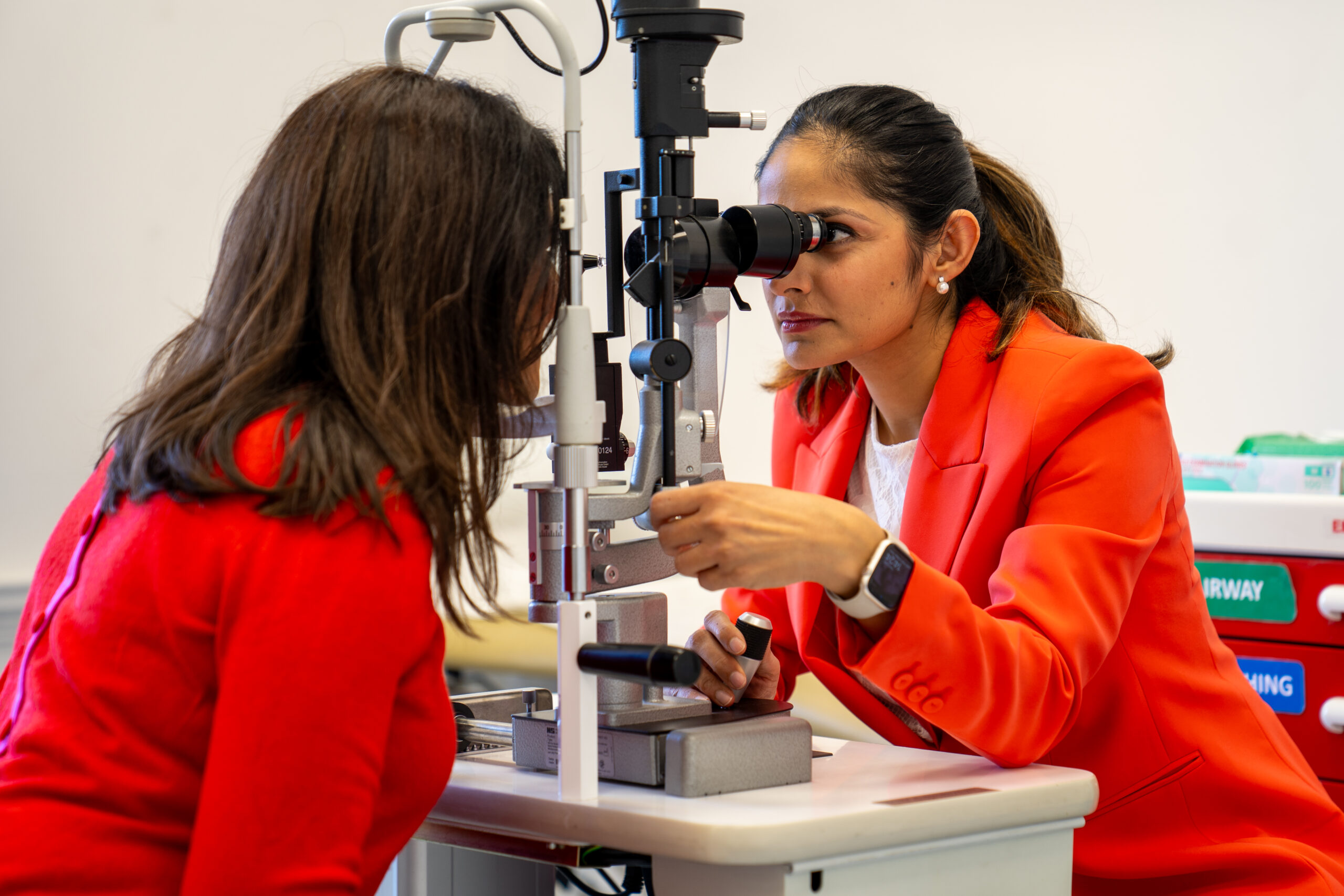
At our clinic, we focus on accurate assessment and clear communication. Many people attend due to blurred vision, headaches, redness, floaters, or sudden changes in eyesight. We take your concerns seriously and review your symptoms, health background, and lifestyle before planning any treatment.
We then carry out a structured eye examination using modern diagnostic equipment. When appropriate, we can arrange further tests such as OCT scanning, visual field checks, or corneal mapping. These tests help us diagnose conditions such as cataract, glaucoma, dry eye disease, macular changes, diabetic eye complications, and eyelid issues.
Treatment plans vary for each patient. Some people need eye drops or medicine, while others benefit from lifestyle guidance and regular monitoring. If you require surgery or more advanced care, we guide you through your options and help arrange the next steps. Throughout your care, we explain every stage clearly so you feel informed and confident.
Ophthalmology at Chase Lodge Hospital
Common symptoms that require an eye specialist appointment
You should arrange a consultation if you notice blurred or distorted vision, eye pain, sudden floaters or flashes, loss of peripheral vision, recurring headaches linked to sight, discomfort when using digital screens, persistent redness or dryness, difficulty seeing at night or a rapid change in prescription. Early assessment helps to protect long-term sight.
What conditions can your ophthalmology team diagnose and treat?
Our team can assess a wide range of eye and eyelid conditions including cataract, glaucoma, dry eye disease, allergic eye disease, diabetic eye complications, age-related macular changes, corneal disorders, uveitis and vision problems linked to general health or medication. Where needed, we work alongside optometrists and other medical specialists for coordinated care.
What tests are carried out during an eye examination?
A detailed history is taken first, followed by vision and eye pressure checks, slit-lamp examination and retinal assessment. Additional diagnostic tests may include OCT scan, corneal mapping, visual field testing, pupil dilation examination or photography of the back of the eye. Test selection depends on symptoms and underlying risk.
Why choose Chase Lodge Hospital for eye and vision care?
Patients receive one-to-one care from experienced consultants supported by modern diagnostic equipment. Appointments are unhurried, allowing time for discussion, tailored advice and treatment planning. On-site medical support means any related health problems can be addressed quickly and you can continue follow-up with the same clinician.
Ophthalmology at Chase Lodge Hospital


Top Rated for Eye Care and Vision Management, we offer:
Comprehensive Eye Examinations
Thorough assessment of vision, eye pressure, eye health and symptoms, carried out by a consultant eye specialist.
Dry Eye and Allergy Treatment
Tailored plans using drops, medication, lid care and lifestyle changes for persistent dryness, irritation or allergy-related problems.
Glaucoma and Cataract Assessment
Clinical diagnosis, monitoring and guidance for patients at risk or already diagnosed, with referral support when surgery is required.
Diabetic and Medical Eye Monitoring
Regular review and screening for patients with diabetes or long-term conditions to help protect vision over time.



FAQ’s
What symptoms mean I should book an appointment with an eye specialist?
An ophthalmologist is a medically trained doctor who specialises in diagnosing and treating medical eye conditions, prescribing medicines and performing procedures. If symptoms involve pain, inflammation, sudden vision change, trauma, complex medical history or suspected disease, an ophthalmology appointment is more suitable.
Can digital screen use affect my eyesight?
Extended screen time may cause tired, dry or irritated eyes and temporary blurred vision. This is often due to reduced blinking and prolonged near focus. Advice may include regular breaks, correct lighting, screen positioning, tear supplements and assessment if symptoms persist.
Are children able to attend for specialist eye assessments?
Yes, patients of all ages can be seen, including children who require medical examination for symptoms, developmental concerns, squints, lazy eye, allergies, eyelid issues or visual behaviour changes.
What treatment options are available for dry eye disease?
Management may include lubrication drops, gels or ointments, lid hygiene routines, warm compresses, prescription medicine or treatment targeting tear quality. Your plan will depend on the underlying cause identified during examination.
Can you help with eye concerns linked to diabetes or other long-term health conditions?
Yes, ongoing monitoring and examinations can identify early changes linked to diabetes, blood pressure, thyroid disease, autoimmune conditions and other systemic illnesses. Early detection supports long-term sight protection.
Will I need follow-up appointments after my first assessment?
Follow-up depends on the diagnosis, treatment plan and progression risk. Some conditions require periodic reviews, while others may only need one consultation unless symptoms change.
FAQ’s