- Departments
- Specialities
- Aesthetics
- Cardiology
- Dermatology
- Dietitian Services
- Endocrinology
- Family Medicine
- Gastroenterology
- General Surgery
- Geriatrics
- Haematology
- Infectious Diseases
- Internal Medicine
- Maxillofacial Surgery
- Nephrology
- Neurology
- Obstetrics and Gynaecology
- Oncology
- Ophthalmology
- Orthopaedics
- Otolaryngology (ENT)
- Paediatrics
- Plastic Surgery
- Pulmonology
- Radiology
- Rheumatology
- Urology
- Consultants
- About Us
- Call: 020 8358 7100
Search

Cardiology at Chase Lodge Hospital
At Chase Lodge Hospital, our private cardiology services in North London provide fast access to expert consultants, advanced diagnostic tests, and personalised treatment plans.

Our approach
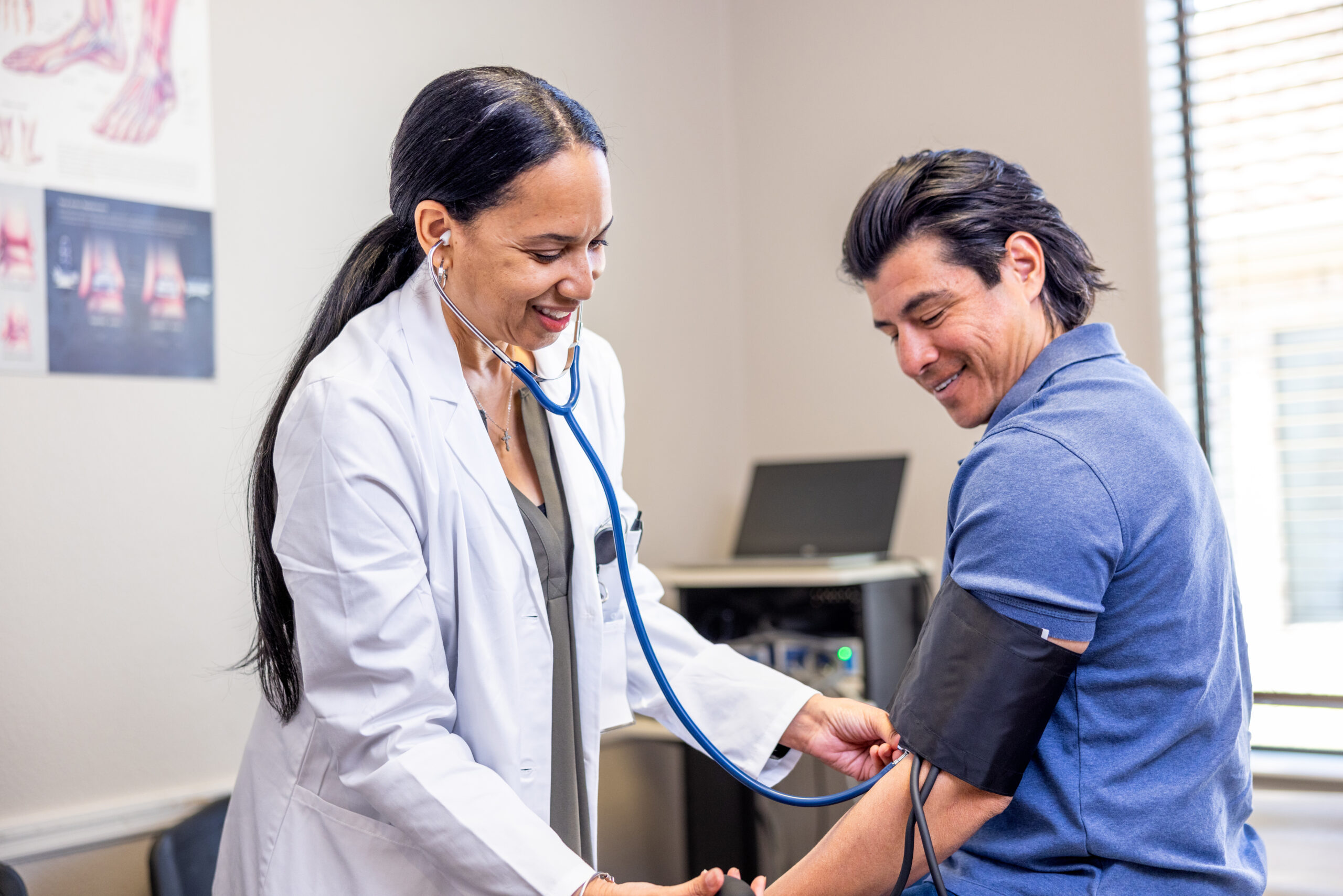
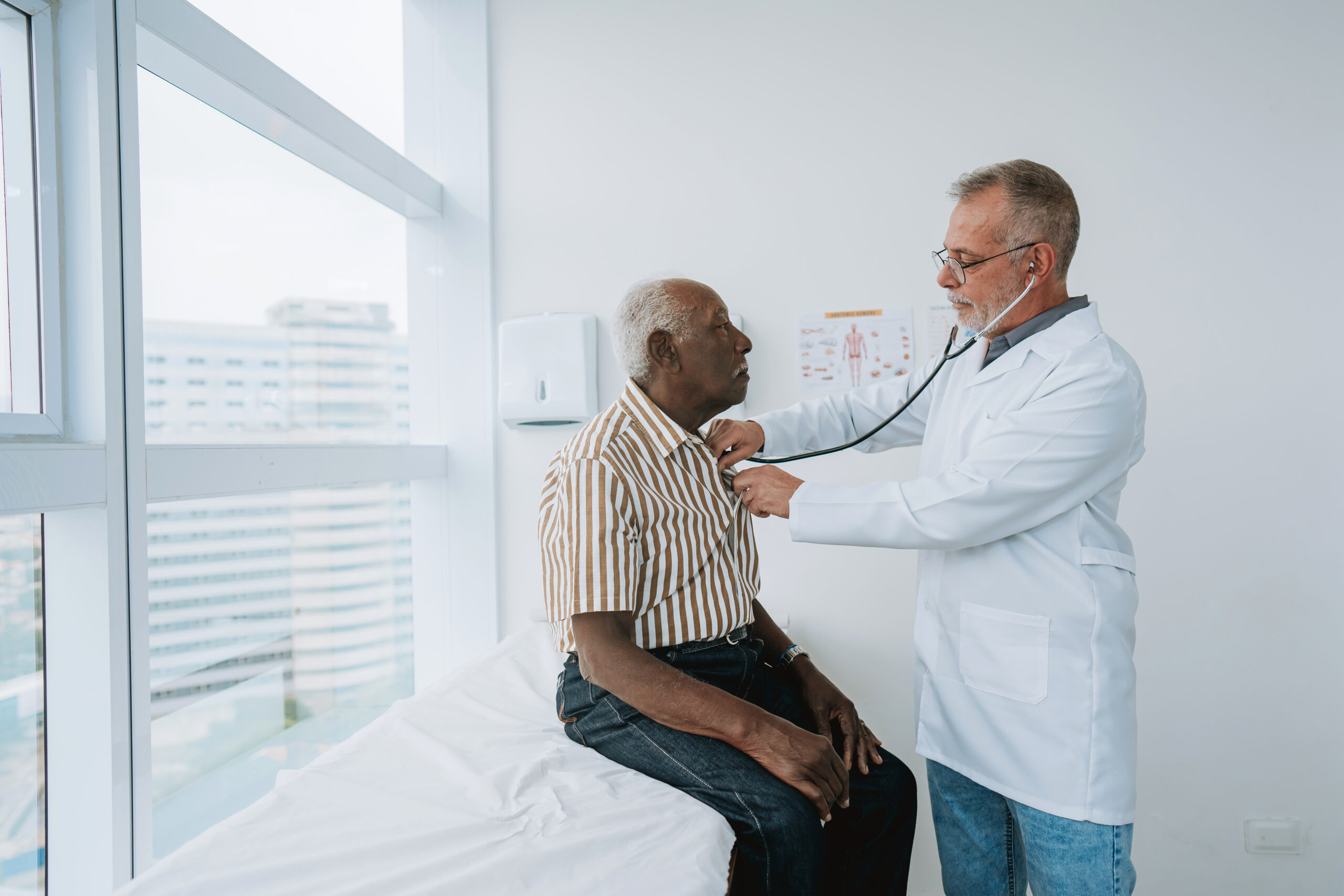
Whether you are experiencing chest pain, palpitations, shortness of breath, or simply want peace of mind about your heart health, our cardiology team is here to support you.
Our highly experienced private cardiologists in London use state-of-the-art facilities to diagnose and manage a wide range of heart conditions, from high blood pressure and arrhythmias to coronary artery disease and heart failure. We also offer preventative heart checks, helping you take proactive steps towards maintaining a healthy lifestyle.

ECG, Echocardiogram & Heart Monitoring

Blood pressure management & cholesterol checks

Diagnosis & treatment of arrhythmias & palpitations

Coronary heart disease management

Preventative cardiology and lifestyle advice

Preventative cardiology & lifestyle advice
Cardiology at Chase Lodge Hospital
Importance of Cardiovascular Health
Your vascular system – the network of arteries, veins, and capillaries – plays a vital role in carrying blood, oxygen, and nutrients throughout the body. Maintaining good vascular health is essential for protecting your heart, brain, and overall wellbeing. When circulation is compromised, it can lead to serious conditions such as peripheral artery disease (PAD), deep vein thrombosis (DVT), aneurysms, varicose veins, and stroke.
Poor vascular health often develops silently over time, with risk factors including high blood pressure, high cholesterol, diabetes, smoking, and lack of exercise. That’s why regular check-ups with a vascular specialist can make all the difference in detecting problems early and preventing complications.
At Chase Lodge Hospital, our private vascular consultants in North London provide comprehensive assessments, advanced diagnostic scans, and personalised treatment plans. From managing circulation issues to offering lifestyle advice, our focus is on helping you maintain strong, healthy blood vessels and reducing the risk of cardiovascular disease.
Taking care of your vascular health is not just about avoiding illness – it’s about improving energy levels, mobility, and long-term quality of life.
Pulmonary Hypertension Treatment with Specialised Care
Pulmonary hypertension is a serious condition that affects the heart and lungs. We begin with a detailed assessment (echocardiogram, imaging, blood tests), then tailor treatment to your case – ranging from medications and oxygen therapy to lifestyle support and, where needed, advanced interventions. Regular monitoring helps us adapt care as your needs change.
Why consider us?
At our hospital you will be cared for by a multidisciplinary team of respiratory-cardiology and heart-failure specialists. We use the latest diagnostic equipment and deliver individualised treatment plans, including advanced therapies and surgical options if necessary.
Diagnostics & Monitoring by the Best Cardiologist Specialists
Our diagnostics suite offers echocardiography, stress testing and cardiac MRI, enabling us to assess heart structure and function precisely. Continuous monitoring and expert interpretation ensure accurate diagnosis and tailored management plans.
Cardiology at Chase Lodge Hospital


Top Rated for Private Cardiologist London, we offer:
Medication Management
Prescribing and monitoring medications to manage symptoms and prevent complications
Lifestyle Modification Advice
Offering guidance on diet, exercise, and stress management to support heart health.
Cardiac Rehabilitation
Providing personalised exercise and education programs to help patients recover from heart attacks and other cardiac procedures
Dietary and Nutrition Counselling
Advice on heart-friendly meals from experts.




FAQ’s
How do I choose a good cardiologist specialist for heart treatment?
Looking out for a cardiologist and cardiac care specialist with vast experience, good reputed patient reviews, and advanced diagnostic devices like those at Chase Lodge Hospital, your best hospital for heart surgery.
How is pulmonary hypertension diagnosed?
Pulmonary hypertension is identified through a series of clinical assessments and specialist tests. The process usually begins with a detailed medical history, symptom review, blood pressure checks and a physical examination. Your consultant may then arrange targeted investigations such as an echocardiogram to measure pressure inside the heart, blood tests to assess oxygen levels and organ function, an ECG, chest imaging and lung function tests. In some cases, a right heart catheter study may be recommended, which provides direct and accurate measurements of the pressure inside the pulmonary arteries. These findings help to identify the cause, severity and the most suitable treatment plan.
What are the treatment options for pulmonary hypertension?
Treatment is tailored to the cause and stage of the condition. Medication may include vasodilators, diuretics, anticoagulants, oxygen therapy or medicine aimed at relaxing the pulmonary arteries and improving blood flow. Lifestyle guidance often focuses on gentle activity, weight control and avoiding triggers that increase strain on the heart and lungs. For specific underlying causes, management may include treating coexisting lung disease, sleep apnoea or heart valve problems. Advanced options such as targeted infusion therapy, interventional procedures or transplant assessment may be considered if standard treatment does not control symptoms.
What types of heart surgery are there?
There are several forms of heart surgery, and the recommended option depends on the condition, symptoms and overall health. Common types include:
1. Coronary artery bypass graft (CABG)
Used for blocked or narrowed coronary arteries. A healthy blood vessel from another part of the body is attached above and below the blockage to improve heart blood flow.
2. Heart valve repair or replacement
Carried out when a valve is too narrow or leaking. Some valves can be repaired, while others may need replacement using biological or mechanical valves.
3. Aortic surgery
Procedures to treat problems such as aneurysms or dissections of the aorta. This may include repairing or replacing a section of the vessel.
4. Congenital heart defect repair
Treats structural heart problems present from birth, which may involve closing holes, correcting abnormal pathways or reconstructing heart chambers.
5. Arrhythmia surgery
Used for irregular heart rhythms that do not respond to medicine or catheter treatment. Examples include maze procedures or ablation-based operations.
6. Heart transplant or mechanical support devices
Considered for severe heart failure when other treatments are not effective. Mechanical assist devices can support the heart while waiting for a transplant or help long term when a transplant is not suitable.
What are the signs that I may need heart surgery?
Surgery is considered when symptoms continue despite medication or less invasive treatment, or when tests show a risk of long-term damage. Concerning signs include chest pain, breathlessness on minimal activity, fainting spells, severe tiredness, worsening ankle or abdominal swelling, irregular heart rhythm or repeated hospital visits due to heart failure symptoms. Test results that suggest valve disease, blocked arteries or structural defects may also point toward a surgical solution. Decisions are always made after full assessment by a consultant cardiologist and a cardiac surgeon.
What is the recovery time after heart surgery?
Recovery differs based on the type of procedure, your overall health and how your body heals. Patients usually stay in hospital for careful monitoring and early rehabilitation. Light movement often begins within a few days and most people return to regular daily activities within six to twelve weeks, depending on the procedure. Cardiac rehabilitation programmes, healthy nutrition, sleep and gradual exercise can support a smoother recovery. Your team will provide guidance on medication, wound care and when to return to work, driving and physical activity.
FAQ’s